Platform Event Trap: WLFI Token Unlock Risks – 2025
Imagine you’re at a carnival waiting for the Ferris wheel—everyone’s excited, buzzing, hopeful—but as it starts, the ride jerks, stalls, and you’re left stuck partway up. That’s a lot like what could happen during a WLFI token liquidity unlock: a sudden thrill turning into a jolting platform event trap.
In this article, we’ll make sense of the WLFI token liquidity event. What’s happening, why it matters, and, most importantly, how to avoid getting caught in that trap.
Table of Contents
1. What Is a WLFI Token Liquidity Unlock?
Let’s kick this off simply. When tokens like WLFI are locked—perhaps held by early investors, the team, or reserved for future use—and then released into the market, that’s a liquidity unlock. More tokens become available for trading, which sounds fine, but it’s like opening the floodgates—supply surges and prices can get shaky.
2. Understanding the Term “Platform Event Trap”
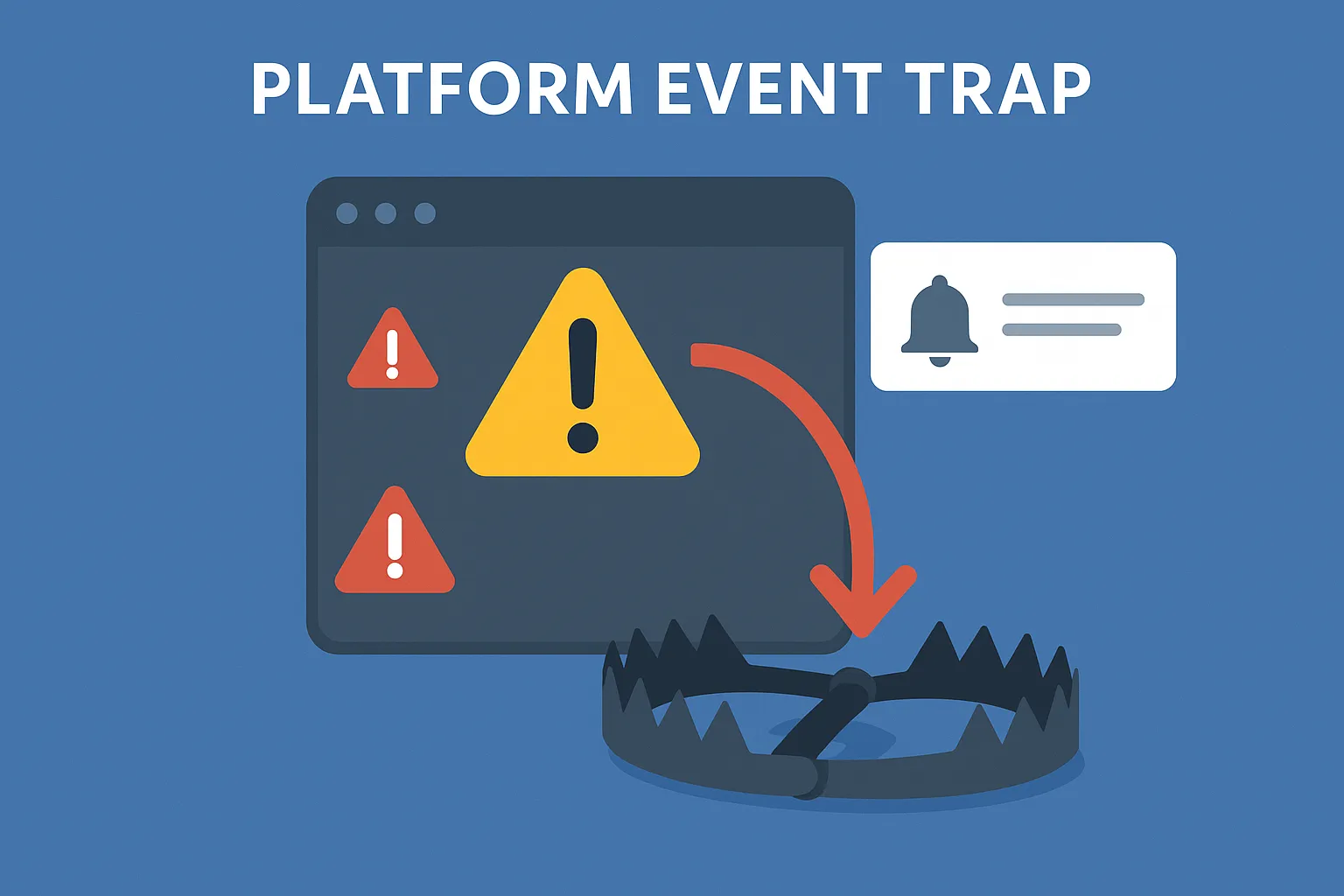
So, what in the world is a platform event trap? Think of it as an event that draws users or investors in by promise and hype, but ends up causing confusion, volatility, or a fall—all disguised as progress. It’s a trap that feels like an opportunity at first glance.
3. Why It Might Catch Investors Off Guard
Here’s the twist: liquidity unlocks often come with marketing and excitement. Even seasoned investors might get caught up in the hype. When WLFI’s unlock happens, many could jump in thinking they’ll get rich quick, without realizing they’re walking into quicksand—volatile prices, emotional trading, and sudden dips.
4. The Mechanics Behind the Unlock
When WLFI tokens are unlocked, the immediate outcome is increased supply. But who holds them? Are they likely to sell quickly? Will there be vesting periods or cliff schedules? How these tokens are released (gradual or all at once) can drastically affect market reaction.
5. Potential Volatility: A Double-Edged Sword
Experiencing volatility is a bit like being on a roller coaster—energizing, isn’t it? But for every climb, there’s a drop. Prices may soar as anticipation builds—but as holders cash out, we might see sharp declines. If you’re not strapped in (i.e., not cautious), you could bail mid-ride out of fear.
6. Real-World Analogy: Fireworks or Falling Rocks?
Picture fireworks: bright, explosive, thrilling. Now picture a rockslide: loud, chaotic, dangerous. A WLFI unlock could either illuminate the sky or trigger a crash. The same event—yet two realities depending on preparedness.
7. Signals That a Platform Event Trap Could Be Emerging
What should ring alarm bells?
Excessive hype—buzz words like “moonshot” flooding social media.
Sudden token dumps by insiders right after unlock.
Lack of clarity on unlock timing or vesting schedules.
Large holders (whales) ready to sell—market manipulators waiting to pounce.
8. How to Prepare and Stay Safe
Preparation is your seatbelt:
Study the tokenomics—when and how tokens unlock.
Watch on-chain data—are big wallets transferring or off-loading?
Assess who will hold versus who will sell immediately.
Use limit orders instead of impulsive market trades.
9. Strategies for Smoother Riding
Want to enjoy fireworks instead of dodging falling rocks?
Enter gradually—don’t go all-in at the peak of hype.
Set stop-loss orders to manage downside risk.
Diversify—don’t rely solely on WLFI.
Monitor volume and price trends closely, especially post-unlock.
10. Expert Tips to Navigate Such Events
Delay entry until dust settles—waiting for initial volatility to calm can be smart.
Look for built-in safeguards—such as staggered unlocks or vesting that slow token floods.
Follow trusted analytic dashboards for real-time insights.
Engage with transparent projects—know the team’s track record.
11. Common Mistakes to Avoid
FOMO trades—buying only because everyone else is.
Ignoring vesting schedules or unlock terms.
Overleveraging—borrowing to buy WLFI near unlock is a risky gamble.
Neglecting fallback plans—always know your exit plan.
12. What Happens After the Unlock?
After unlock day, there’s often a “cool-down” phase where price and volume stabilize. Some investors will return, assessing whether WLFI’s long-term value remains. If the project continues to deliver, recovery is possible—but if hype fades, prices can linger low.
13. Long-Term Perspective on WLFI
Beyond the unlock, what matters is WLFI’s purpose, use case, and ecosystem. Does it offer unique value? Are there partnerships or roadmap milestones? Long-term investors look past one event and focus on fundamentals.
14. Recap: Key Takeaways
A WLFI liquidity unlock isn’t inherently bad—it’s about timing, transparency, and your mindset.
Be wary of hype—that’s often where the platform event trap lies.
Equip yourself with facts, tools, and calm strategy to ride the wave—and not get crushed by it.
15. Conclusion: Stay Smart, Stay Grounded
A WLFI token liquidity unlock can resemble both a dazzling firework display and a perilous roller-coaster. Understanding the risks, planning ahead, and keeping your cool are your best defenses against the platform event trap. Be curious, cautious, and always in control of your decisions.
Frequently Asked Questions
1. What exactly is a “platform event trap”?
A platform event trap is when an event—like a token unlock—looks promising and draws attention, but ends up causing confusion, volatility, or losses.
2. How can I tell if WLFI’s liquidity unlock will be harmful or helpful?
Watch for transparency: clear vesting schedules, gradual unlocks, and controlled token release mechanisms are positive signs. Heavy hype and uncertainty? That’s signaling caution.
3. Should I avoid trading WLFI around the unlock entirely?
Not necessarily—just be smart. Many choose to wait until volatility drops before entering. If you trade, use strategies like limit orders, position sizing, and stop-loss.
4. Can WLFI still succeed after a rocky unlock?
Absolutely—as long as the project has solid fundamentals, real use cases, and community trust, a strong recovery post-unlock is possible.
5. What’s the best way to protect myself from sudden price drops during these events?
Have a plan: define your risk tolerance, use protective orders, don’t overextend, and always know when you’ll exit if things go south.
For more visit The Crypto Bit