Ripple CEO Brad Garlinghouse XRP Tattoo After Victory
Introduction
Sometimes, actions speak louder than words. That’s exactly what Ripple CEO Brad Garlinghouse proved when he revealed his XRP tattoo after Ripple’s major legal victory against the U.S. Securities and Exchange Commission (SEC). For the crypto community, this was not just about ink on skin—it was a symbol of resilience, dedication, and the long fight Ripple has endured to establish XRP’s place in the financial world.
In this article, we’ll dive deep into the story behind the ripple ceo brad garlinghouse xrp tattoo, the legal journey that inspired it, and what it means for the future of Ripple, XRP, and the broader crypto industry.
Table of Contents
1. Brad Garlinghouse: The Face of Ripple
Brad Garlinghouse isn’t just Ripple’s CEO—he’s its public face, voice, and often its shield. Known for his confident personality and clear communication style, Garlinghouse has consistently defended Ripple against critics and regulators. His willingness to stand firm makes him more than just a corporate leader—he’s become a symbol for many in the crypto space.
2. Ripple and the SEC: A Long Legal Battle
Back in 2020, the SEC sued Ripple Labs, claiming that XRP was an unregistered security. For many, this was more than a lawsuit—it was a potential precedent that could affect the entire crypto industry. If XRP was classified as a security, it could have reshaped how cryptocurrencies were regulated in the U.S.
The case dragged on for years, creating uncertainty for investors and the broader market. Yet Ripple and Garlinghouse never backed down, fighting the case with determination.
3. Why the Lawsuit Mattered for Crypto
This wasn’t just Ripple’s fight—it was crypto’s fight. If Ripple lost, it could mean stricter regulations on cryptocurrencies, stifling innovation. Many in the industry saw Ripple as the test case for how far the SEC’s power could go. Brad Garlinghouse understood this responsibility and carried it on his shoulders.
4. The Big Win: Ripple’s Legal Victory
After years of back-and-forth, Ripple scored a massive victory. A U.S. A judge determined that XRP does not qualify as a security when traded on public exchanges. This was a turning point—not just for Ripple, but for the entire crypto market. The win fueled optimism, boosted XRP’s price, and restored confidence in crypto’s future in the U.S.
5. The Symbolism of Tattoos in Leadership
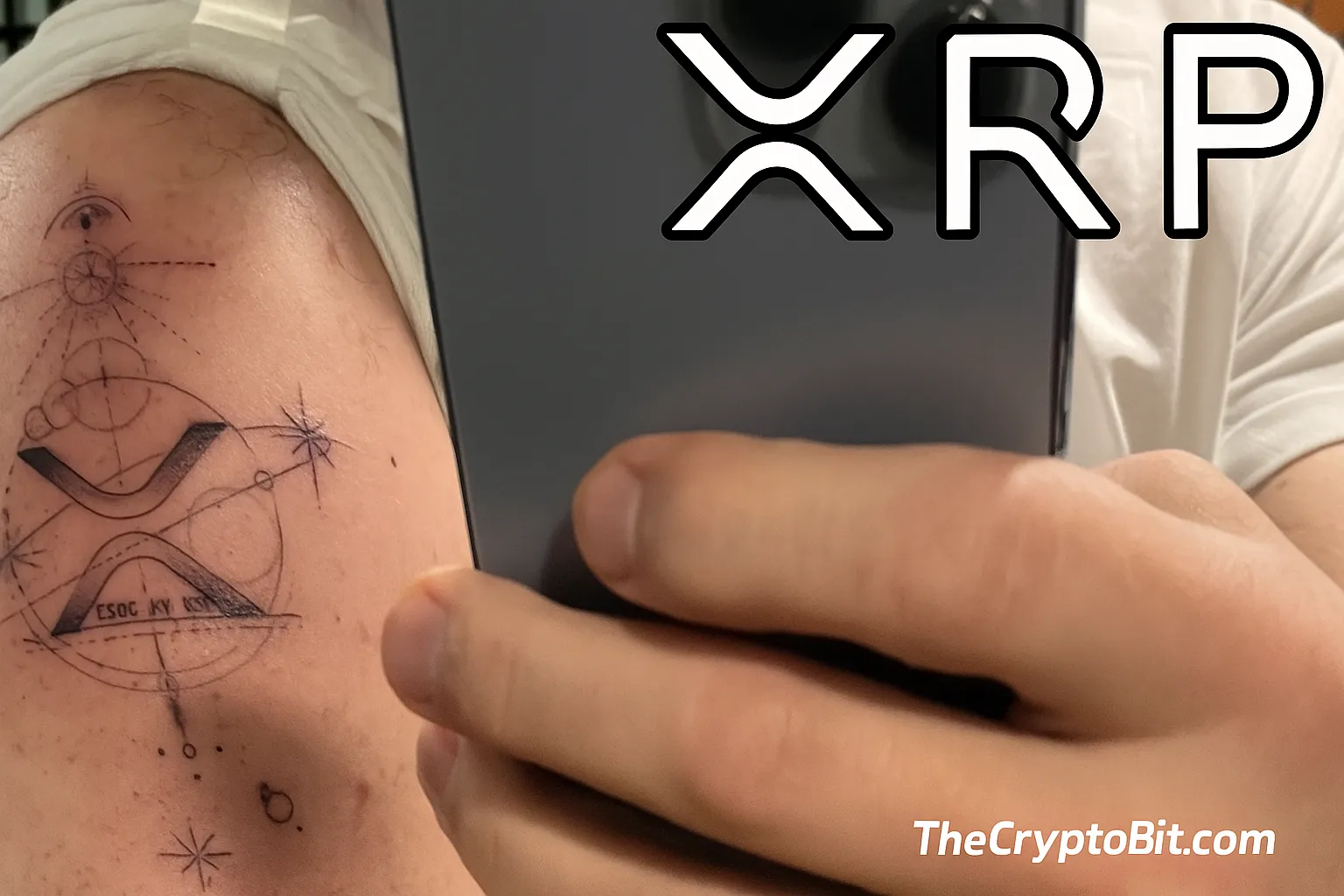
Tattoos often represent commitment, personal beliefs, and life-changing events. For leaders, getting a tattoo tied to their professional journey is rare—it’s a bold statement. Brad Garlinghouse’s choice to ink the XRP logo on his arm wasn’t about fashion—it was about marking a historic moment.
Think of it like a soldier earning a badge after a long battle—the tattoo became his badge of honor.
6. The Story Behind the XRP Tattoo
Following Ripple’s legal victory, Brad Garlinghouse revealed his XRP tattoo. It wasn’t flashy or overdone; it was simple yet powerful. The tattoo represents both personal and professional resilience—the years of stress, uncertainty, and criticism that Ripple faced were now permanently marked in a symbol of triumph.
7. Community Reaction to the Tattoo
The crypto community went wild when Garlinghouse revealed the tattoo. Social media platforms lit up with excitement. For some, it was inspirational—proof that their faith in Ripple and XRP wasn’t misplaced. For others, it was a rallying call, showing that the leader of Ripple was personally invested in the fight.
8. How the Tattoo Boosted XRP’s Morale
When markets are shaky, morale matters. The tattoo acted like a motivational poster for the community. It showed commitment at the highest level, helping investors feel more connected to Ripple’s journey. The act turned Garlinghouse into not just a CEO, but a symbol of loyalty.
9. Tattoos as Commitment in the Business World
It’s rare to see top executives mark their company’s milestones with tattoos. Yet, when they do, it often creates a strong emotional connection with their followers. Brad’s tattoo wasn’t just for himself—it was for everyone who believed in XRP. It’s a reminder that true leadership often means standing by your cause in very personal ways.
10. Ripple’s Broader Mission in Finance
Ripple isn’t just about XRP—it’s about transforming how money moves globally. The company’s goal is to make cross-border payments faster, cheaper, and more efficient. The tattoo, in a way, also represents this mission—an indelible mark on the financial world.
11. Brad Garlinghouse’s Leadership Style
Brad’s leadership style has always been bold and transparent. Unlike many CEOs who stay behind corporate statements, he often directly addresses critics, regulators, and supporters. His tattoo reinforces this style—it’s direct, personal, and unshakable.
12. Ripple’s Next Steps After the Victory
With the lawsuit behind them, Ripple can now focus on expanding partnerships and adoption. The victory gave them the green light to build with confidence. Brad’s tattoo, in this context, is not just about the past—it’s a promise for the future.
13. What the XRP Tattoo Means for Investors
For investors, the tattoo serves as a reassurance. It tells them: the leader of Ripple is all-in. While tattoos don’t guarantee financial returns, symbols like this strengthen community trust, which is crucial for long-term success.
14. Legal Wins and Their Impact on Crypto Adoption
Ripple’s victory set a precedent that could impact other cryptocurrencies facing regulatory challenges. The XRP tattoo is, therefore, more than a personal choice—it represents progress for the entire industry. It may even inspire other leaders to show visible commitment to their causes.
15. The Ripple Effect: Beyond Just a Tattoo
At its core, this story isn’t just about a tattoo. It’s about resilience, leadership, and symbolism. Brad Garlinghouse’s ink embodies the journey Ripple and XRP have taken—through legal storms, community struggles, and eventual triumph. It’s a story that inspires not just crypto fans but anyone who’s ever fought for what they believe in.
Conclusion
The ripple ceo brad garlinghouse xrp tattoo is more than just body art—it’s a symbol of victory, perseverance, and leadership. It marks a pivotal chapter in Ripple’s history and serves as a reminder of how determination can overcome obstacles. For the crypto community, it’s a sign that the fight for legitimacy is worth it.
FAQs
1. Why did Ripple CEO Brad Garlinghouse get an XRP tattoo?
He got the tattoo to celebrate Ripple’s legal victory against the SEC, marking it as a historic and personal milestone.
2. What does the XRP tattoo symbolize?
It symbolizes resilience, commitment to XRP, and Ripple’s triumph in a long legal battle.
3. Did the tattoo impact XRP’s price or community?
While it didn’t directly change prices, it boosted community morale and strengthened investor trust.
4. How long did Ripple’s legal battle with the SEC last?
The battle began in 2020 and lasted several years before Ripple secured its significant legal victory.
5. What does this legal win mean for the crypto industry?
It set a precedent that XRP is not a security on public exchanges, giving hope for fairer regulations across the crypto space.